Research Labs
Why Your Gym Leads Are Converting to Tours But Not to Memberships
A look at the psychological gap between curiosity and commitment in modern fitness sales.
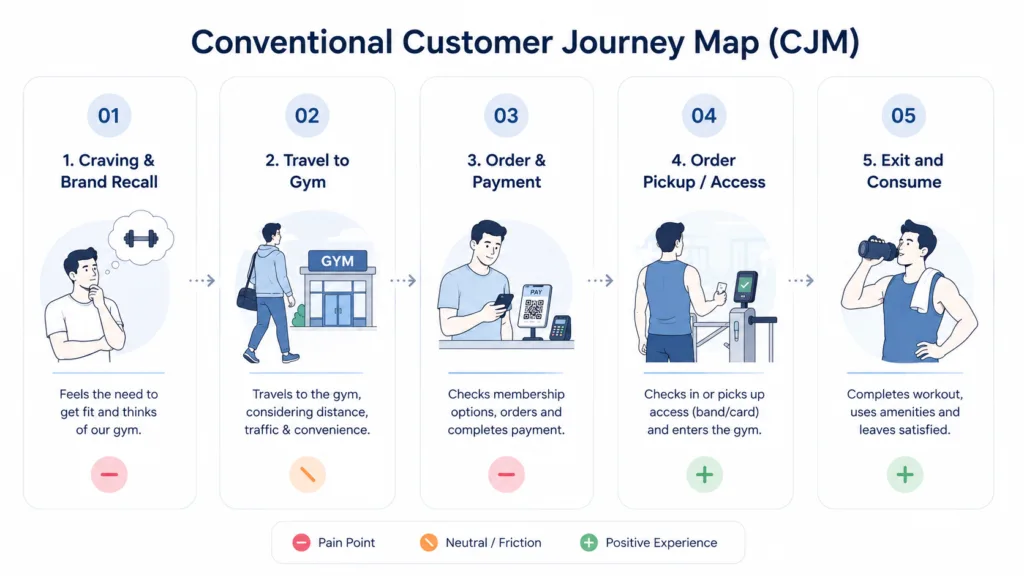
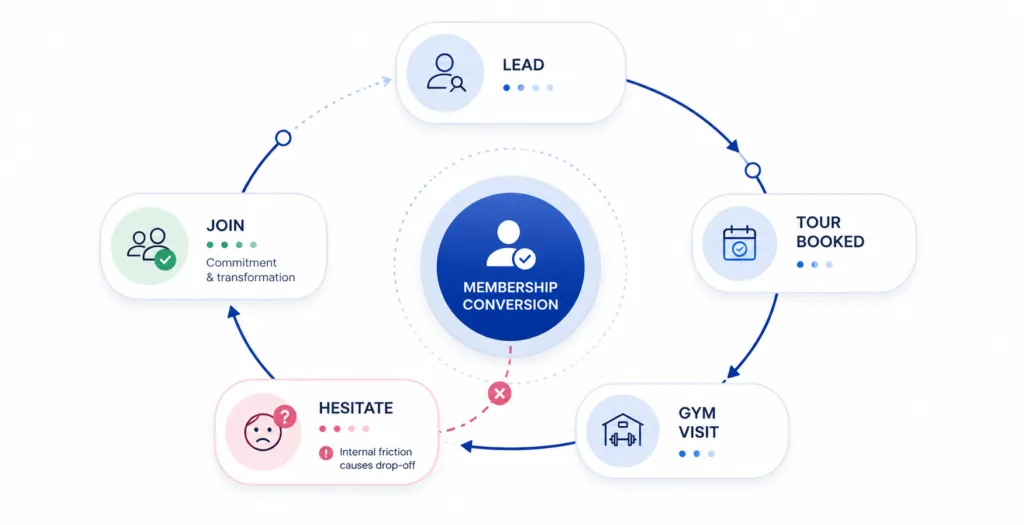
A booked tour feels like a win. The ad worked, the lead showed up, the trainer gave the spiel, the facility looked clean, and the prospect left smiling. Then nothing. No callback. No signup. No reply to the follow-up. Just another name added to a CRM that quietly grows heavier each month.
If this pattern feels familiar, you’re not imagining it. Across boutique studios, mid-tier chains, and even premium fitness clubs, gym operators are watching strong top-of-funnel performance produce disappointing bottom-of-funnel results. The marketing is doing its job. The walk-ins are happening. But the membership numbers are stuck.
The problem almost never lives in the ad. It lives in the gap between the click and the close.
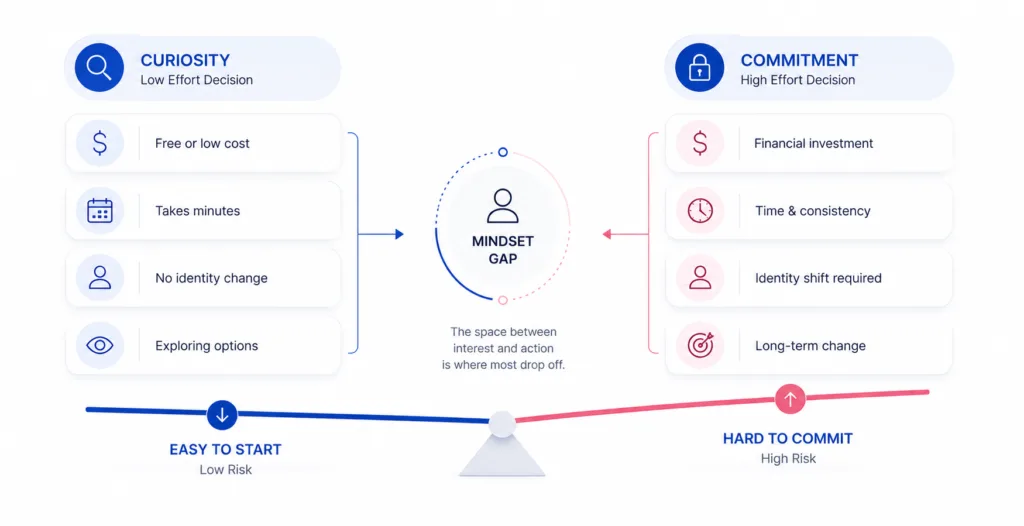
Curiosity Is Cheap. Commitment Is Expensive.
A tour is a low-effort decision. It’s free, it takes thirty minutes, and it doesn’t ask the prospect to change anything about their life. A membership is the opposite. It asks for money, time, identity, and consistency, often all at once.
When prospects book a tour, they aren’t buying yet. They’re auditioning a future version of themselves. They want to see if they can picture being the kind of person who shows up at 6 a.m., who recognizes the front desk staff, who actually uses the foam rollers. That mental rehearsal is fragile. One awkward interaction can break it.
So the real gym sales conversation isn’t about features, equipment, or square footage. It’s about whether the prospect leaves the building feeling like a believable version of their future self.
The Psychology Behind a Fitness Purchase
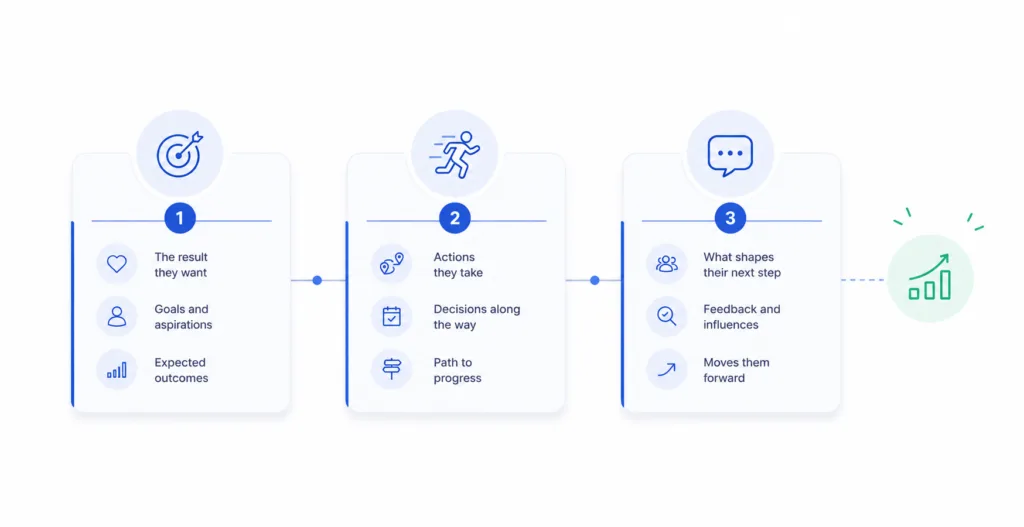
People rarely buy a gym membership. They buy a story about who they’re trying to become.
The driver is almost always emotional: a wedding, a doctor’s visit, a breakup, a milestone birthday, a quiet moment in front of the mirror. By the time someone fills out a lead form, they’ve usually been thinking about this for weeks. The decision feels urgent on the inside, even if it looks casual on the outside.
That emotional weight cuts two ways. It’s what gets them through the door. It’s also what makes them hesitate before signing. The closer a purchase gets to identity, the more loss aversion creeps in. Failing at a productivity app is annoying. Failing at a gym membership feels personal.
This is why so many prospects ghost after a great tour. The tour didn’t fail. The internal stakes just got real.
Where Marketing Promises Quietly Collide With Reality
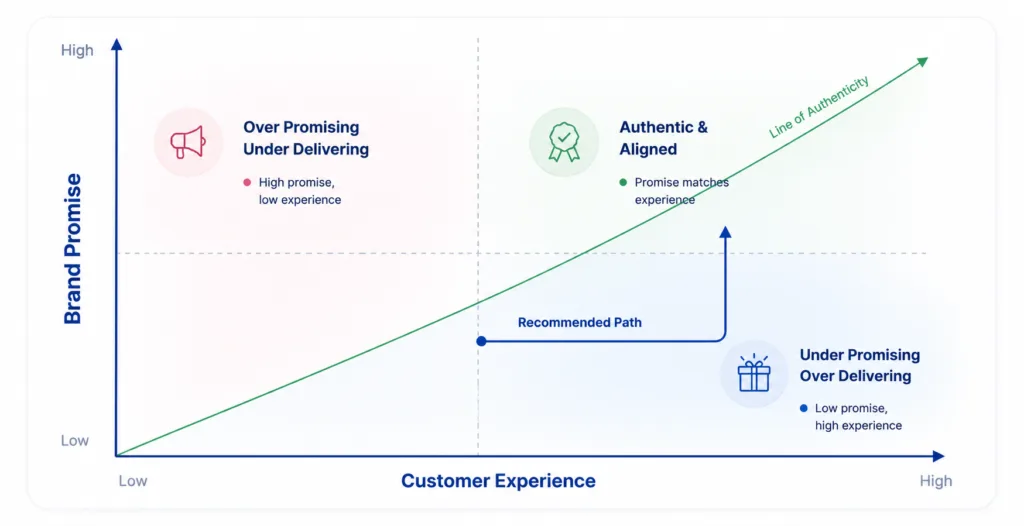
Most gym marketing today sells transformation, community, and energy. The reels are bright, the captions are punchy, and the testimonials are polished. By the time a lead walks in, they’re carrying an expectation built across dozens of touchpoints.
Then the in-person experience has to match that expectation in less than an hour.
The collision happens in small ways. A front desk that doesn’t know the prospect’s name despite three days of email exchanges. A tour script that lists amenities instead of asking questions. A trainer who looks distracted. A locker room that smells like yesterday. None of these are dealbreakers on their own. But each one chips away at the story the marketing already sold.
By the time the prospect sits down to talk pricing, the gap between what they were promised and what they felt has often become wider than the salesperson realizes. They won’t say it out loud. They’ll just say they want to “think about it.”
The Mistakes That Quietly Kill Tours
The most common errors on a gym tour aren’t dramatic. They’re procedural, and they repeat across the industry.
The first is talking too much. A tour delivered as a monologue tells the prospect the gym wants a customer, not a member. The best closers ask more than they speak. They learn the prospect’s last attempt at training, the injury they’re worried about, the goal that actually keeps them up at night.
The second is selling the building instead of the outcome. Square footage doesn’t change anyone’s life. A clear plan for the first thirty days does. Prospects don’t need to see every piece of equipment. They need to see themselves using a small, specific piece of it next Tuesday at 7 p.m.
The third is rushing to pricing. Numbers introduced before trust is built feel like pressure, even when they aren’t. Trust is what makes a price feel reasonable. Without it, every figure sounds inflated.
The fourth, and the one most operators underestimate, is treating every prospect the same. The college student trying to lose fifteen pounds and the forty-five-year-old recovering from back surgery should not be hearing the same tour. Personalization isn’t a marketing tactic. It’s a closing tactic.
Why Pricing Presentation Matters More Than the Price Itself
Most gyms lose deals not because their pricing is wrong, but because their pricing conversation is wrong.
Dropping three tiers on a printed sheet and asking “which one works for you?” isn’t a pricing strategy. It’s a guessing game. Prospects who don’t yet feel confident about the gym will almost always default to the cheapest option, hesitate, or stall.
A better approach anchors pricing to the outcome the prospect described earlier in the tour. If someone wants strength training three times a week with occasional coaching, that becomes the package being discussed, not all three at once. Choice paralysis is real, and in fitness it’s expensive.
The other underused move is reframing the cost. A monthly fee compared to a daily one (about the price of a coffee) feels different, even when the math is identical. Cost framing isn’t manipulation. It’s helping the prospect compare apples to apples instead of weighing their gym membership against their rent.
Trust, Onboarding, and the Long Game
The modern consumer doesn’t trust easily, and they shouldn’t have to. They’ve been burned by subscriptions that were hard to cancel, fitness apps that ghosted them after onboarding, and personal trainers who disappeared after the first month. Skepticism is the default.
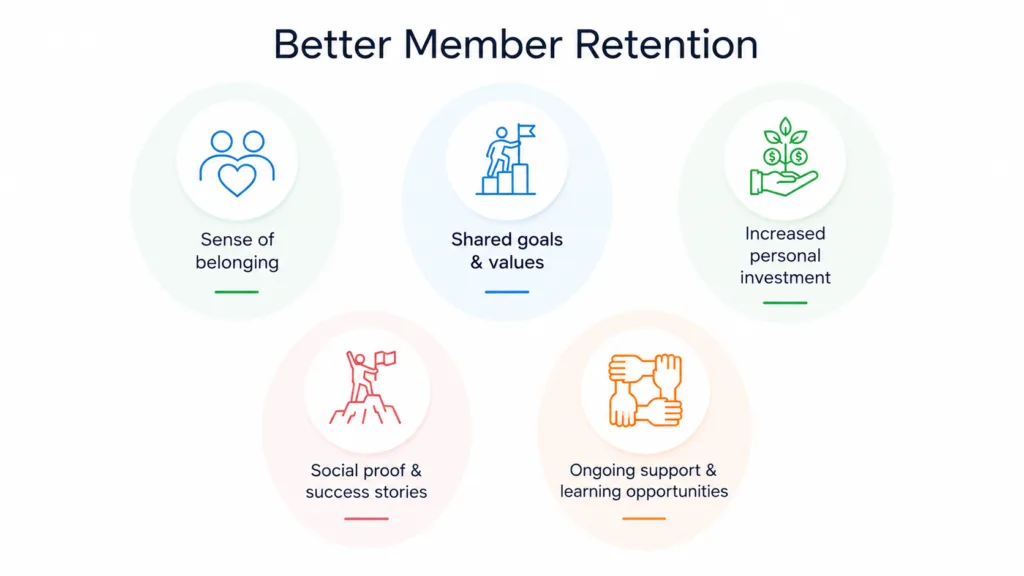
The gyms winning the conversion game treat the first thirty days as the real product. They lead with onboarding. They guarantee a structured start. They introduce new members to a small group of regulars within the first week. They send a check-in message after the third visit. None of this shows up in ads. All of it shows up in retention.
Community is often discussed and rarely engineered. A gym with a real community doesn’t form one by accident. Someone is intentionally introducing people, hosting small events, remembering names, and making the space feel like a third place rather than a transaction. Prospects can feel the difference within minutes of walking in.
And then there’s the follow-up. Most gyms either follow up too aggressively, with three calls in two days and a discount that screams desperation, or not at all. Neither works. The follow-up that converts is specific, calm, and useful. A short message referencing what the prospect said they wanted, a suggested class, a single helpful resource. That kind of touch keeps the relationship warm without making the prospect feel hunted.
Closing Without Pushing
The best closers in fitness understand that a membership is rarely won in the room. It’s won in the days after the tour, when the prospect is in their own head, weighing options, and quietly looking for a reason to either commit or walk away.
Everything a gym does between the tour and the close is part of the close. The clarity of the email. The warmth of the text. The lack of pressure. The presence of a real person on the other end of the message. These small signals tell the prospect whether the brand they saw online behaves the same way once the contract is on the table.
Gyms that focus only on sharper ads and slicker tours are optimizing the wrong half of the funnel. The leads are already there. The real work is making the next decision feel safe.
People don’t buy gym memberships when the offer looks best. They buy when the future they’re imagining feels close enough to touch, and the path to get there feels short enough to start. The brands that understand that stop chasing leads. They start earning members.